Adelaide to the Adelaide Hills and Barossa Valley
By Vroom Team • Reviewed 28 Jul 2026

A holiday or weekend in Adelaide wouldn’t be complete without a trip to the Adelaide Hills and the celebrated wineries of the Barossa Valley. Some of Australia’s finest drops come from this region and thanks to its close proximity to Adelaide, you can see (and taste) plenty in just one day.
The Adelaide Hills are just twenty minutes from Adelaide and are a terrific destination for all travellers. Regardless of if you’re after a lazy and romantic day sampling wines and taking in views, or a busy day sightseeing, boutique and antique shopping, and getting some outdoor exercise, the Adelaide Hills is a crowd-pleaser for all. Start your adventure by securing a rental car in Adelaide.

Map of Adelaide to the Barossa road trip
Adelaide to Barossa Valley itinerary:
Adelaide to Mount Lofty
Mount Lofty to Cleland Wildlife Park
Cleland Wildlife Park to Gorge Road
Gorge Road to Birdwood
Birdwood to Williamstown
Williamstown to Cockatoo Valley
Adelaide to Barossa Valley road trip: Key facts
| From | To | Distance & duration |
| Adelaide | Mount Lofty | 17.5 km & 20 min |
| Mount Lofty | Cleland Wildlife Park | 1.6 km & 4 min |
| Cleland Wildlife Park | Gorge Road | 20.9 km & 30 min |
| Gorge Road | Birdwood | 26.2 km & 29 min |
| Birdwood | Williamstown | 31.3 km & 28 min |
| Williamstown | Cockatoo Valley | 7.1 km & 7 min |
| Adelaide | Cockatoo Valley | 104.6 km & 1 hr 58 min |
All distances in kilometres, calculated on the shortest direct route by car with Google Maps. Distances and trip times correct as of 22 June 2026.
Mt Lofty Summit
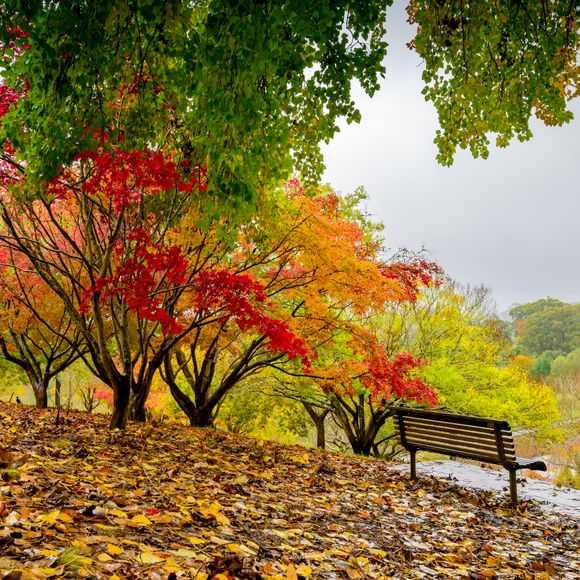
Mount Lofty Summit is the highest point of the Mount Lofty Ranges in Adelaide Hills, rising to 710 metres above sea level. The same-named lookout, which is easily accessible from the carparks at the summit, delivers a view of Adelaide’s city skyline to the coast, as well as the Piccadilly Valley to the east.
From the lookout, follow the path leading to the Mount Lofty Botanic Garden and explore all 97 hectares of the park. Choose from a handful of short walking trails of varied difficulty, leading to different parts of the garden. The Lakeside Loop leads to a picturesque lake and a series of plant-themed artworks with just a kilometre of walking.
Looking for a different view? Take the Heysen Trail from the summit and walk through native bushlands to Waterfall Gully, where the largest of the seven waterfalls sitting within Cleland Wildlife Park tumbles down a sheer charcoal-coloured rock face.
How far: The drive to Mount Lofty from Adelaide is around 17 kilometres.
Drive time: Mount Lofty is a little over 20 minutes away from Adelaide.
Cleland Wildlife Park
Just off the South Eastern Freeway, the Cleland Wildlife Park is a short and easy 30 minute drive from Adelaide. One of the city‘s famous tourist destinations, and particularly popular with children, the park shelters some of Australia’s favourite native species within its 35 hectares of bushland. The Cleland Wildlife Park also offers special experiences to interact with Australian wildlife including koalas, kangaroos, and potoroos, and reptiles such as lizards and snakes.
Cleland’s bird enclosure houses cockatoos being rehabilitated after bonding with humans, so don’t be surprised if after stepping inside, one lands on your shoulder ready to feed out of your hand. Guided day tours are available if you would like to learn more about the plant and animal species thriving in the park.
How far: The Cleland Wildlife Park is less than two kilometres from Mount Lofty Summit.
Drive time: It’s a five minute drive or a 30 minute walk to the Cleland Wildlife Park from Mount Lofty.

The Gorge Road
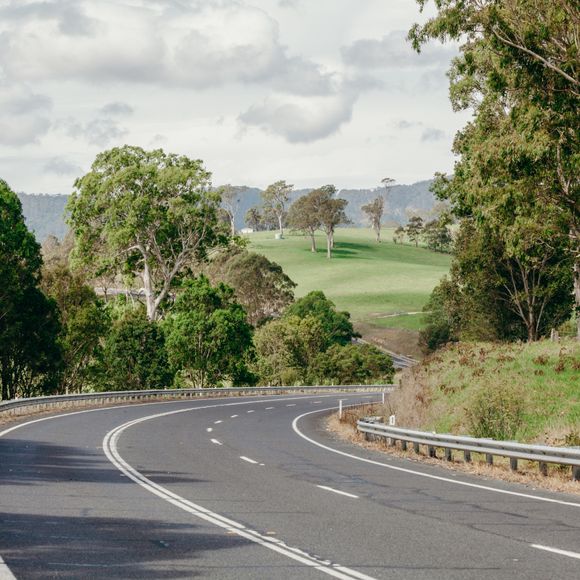
From Mt Lofty, a fifteen minute drive to the north leads to Morialta Conservation Park where you can explore landscapes like creeks, woodlands, gorges and waterfalls. Fifteen more minutes north and you’ll reach Castambul where you can start navigating the famous Gorge Road which lets you drive through foothills, intriguing towns, wineries, and the roadside Kangaroo Creek Reservoir Lookout.
You can stop and treat the kids to a wildlife experience at the Gorge Wildlife Park, home to both Australian native wildlife and American alligators, meerkats, and other mammals from around the world. Push on for a few more minutes to reach Cudlee Creek where you can sample a drop or two at Mt Bera Vineyards’ historic homestead.
How far: The Gorge Road is around 20 kilometres from the Mount Lofty Summit.
Drive time: It takes a bit under half an hour to get to Gorge Road from Mount Lofty.
Birdwood
Continuing north to Chain of Ponds and taking a right onto the Adelaide Mannum Road leads to the historical town of Birdwood.
Car lovers will enjoy a visit here as the town is home to the historical “Old Mill” and National Motor Museum — Australia’s largest collection of vintage, veteran, and classic cars and bikes. If you have a great interest in cars, an event called Bay to Birdwood where thousands of historic vehicles parade along a scenic 67 kilometre route that ends at the National Motor Museum, is held annually here.
While in town, browse Birdwood’s libraries and galleries, shop for souvenirs, and take a sip of your preferred beverages from the handful of coffee shops to choose from.
How far: Birdwood is around 26 kilometres east of Gorge Road.
Drive time: The drive from Gorge Road to Birdwood will take a little under 30 minutes.


Towards the Barossa Valley
If you can’t wait a moment longer to quaff that famous Barossa Valley wine, take Little Para Road at Chain of Ponds. Along the way, Kersbrook is a pleasant historical farming town with ample wildlife and plenty of fresh produce. It’s also home to Kersbrook Hill Winery, producer of the critically-acclaimed Dons Acre Shiraz.
Stop at the South Para Reservoir, known as South Australia’s watering hole, where families and fishing enthusiasts can spend time leisurely in the gentleness of nature. Lay down a mat and have a picnic by the picturesque waterside views of the surrounding hills.
The reservoir also offers various water activities like canoeing and kayaking, and if you’re up for a challenging activity, you can hike or mountain bike your way to the Warren Reservoir in Williamstown via the 12 kilometre trail linking the two reservoirs.
How far: The Barossa Reservoir is a little under 40 kilometres from Birdwood.
Drive time: It takes around 40 minutes to reach Barossa Reservoir from Birdwood.
Lyndoch and surrounds
From Williamstown, take the Lyndoch Valley Road to Cockatoo Valley where the Barossa Valley wine industry stretch begins. Cockatoo Valley is a particularly scenic area, with no shortage of rolling hills and plenty of tempting cellar doors to choose from. The area includes historic gold mining sites, a lavender farm, and row after row of fat grapes destined for the famous Barossa Shiraz.
Another popular spot to visit in the area is the Barossa Goldfields where three different trails with signposts explaining mining techniques and local geology will lead you through the history of the gold rush.
How far: The Cockatoo Valley is just under 15 kilometres from Williamstown via the Lyndoch Valley Road.
Drive time: You’ll reach the Cockatoo Valley in about fifteen minutes from Williamstown.

Why Shiraz and why so good?
Although several grape varieties are grown in the Barossa, it’s the Shiraz that takes home all the prizes. Shiraz (or Syrah) grapes are renowned for liking it tough and proving themselves against all odds. The region’s poor soil, a mix of clay and loamy, sandy, brown and dark-grey soils may, at first glance be better suited to making bricks than world class wines but the area’s long history (since 1842) of award winning wines tells a different story.
The vineyards of the Barossa have also developed the Barossa Old Vine Charter — a pedigree of vines to ensure the very best producers live on.
So much wine, so little time
So, surrounded by so many premium drops, how does a wine lover choose which cellar door to knock upon? Pick your grape as it’s not all about Shiraz. Plenty of exciting new Barossa wines are making a splash on the international tasting scene, and most of their makers welcome drop-in tasters.
With all the wonderful wine and so much beautiful scenery, a day trip or weekend away in the Adelaide Hills and Barossa Valley is an absolute must-do for travellers, and the souvenirs are almost as good as the trip!

Best car to take on a Barossa Valley road trip
Most of the popular destinations on a Barossa Valley road trip are short distances apart. Given that many are also in nearby urban areas, compact cars are great for stop-and-go trips as they can traverse well on tight roads. Make sure to abide by local traffic laws while on the road — be alert around shared roads, and pay attention to signposts especially around schools where speed limits are typically lower than the default.
Electric vehicles (EVs) are also good for this road trip, with short distances between stops and charging stations plentiful, you shouldn’t need to worry about running out of battery. Remember to return your rental car fully charged to avoid recharge-related charges from the rental car provider.
Travelling with family or in a large group, or simply want more flexibility in your plans? It is also possible to rent a campervan in Adelaide, and if you’re new to renting a campervan, you can read more on the things to consider when choosing the ideal campervan for your holiday. If you’re visiting from another country, car and campervan rental depots are also available at the Adelaide Airport.
Weather in the Barossa Valley
The best time to visit the Barossa Valley is during the autumn months of March to May when vineyards turn into panoramic gardens of golden, orange, and red hues. Temperatures in the Barossa during these months can range from 15 °C (59 °F) to 25 °C (77 °F). The Barossa Vintage Festival, full of wine and food events, competitions, and markets, is held in autumn annually.
Springtime in South Australia is a good opportunity to explore wildlife reserves and national parks to experience its flora in bloom, making trail walking, bird watching, and outdoor activities brighter and more photogenic.
Winter temperatures from June to August range between 8 °C (46 °F) and 16 °C (61 °F), making them comfortable enough for outdoor activities and easy treks in national parks. Although it doesn’t snow in Adelaide or the Barossa Valley, temperatures are cool enough for coats and jackets especially at night, providing a cozy mood for your trip.
For the summer months of December to February, temperatures can hit 30 °C (86 °F) and even higher in some inland spots. Summer brings cold mornings to warm and sunny days, but high midday temperatures can get uncomfortable — don’t forget your hat and sunscreen.
About the author

Vroom Team
VroomVroomVroom’s writing team brings together decades of writing expertise to share their insights into travelling around Australia by rental car. Let our team help you get the most out of your rental car experience.